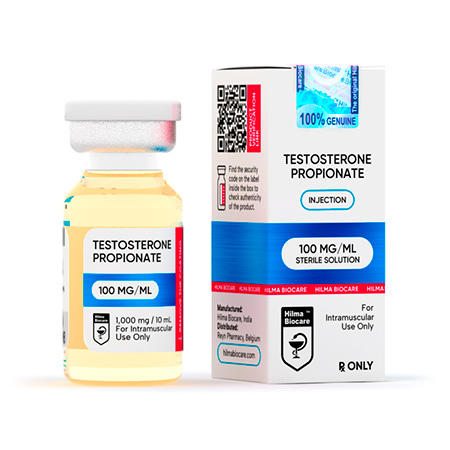
TESTOSTERONE PROPIONATE (TESTOVIS) — 100 MG/ML, 10 ML
-
Testosterone Propionate 100 is an oil-based sterile solution containing testosterone propionate, an ester of testosterone formulated for intramuscular administration. According to the supplied product information, the formulation is designed to produce a relatively rapid increase in serum testosterone following intramuscular administration, with testosterone concentrations remaining elevated for approximately 2 to 3 days.
Testosterone is an endogenous androgen that contributes to the development and maintenance of male reproductive organs and secondary sexual characteristics. It also has important physiological roles in muscle tissue, bone health, erythropoiesis, sexual function and overall androgenic activity. Testosterone replacement therapy may be considered for appropriate adult male patients with clinically established testosterone deficiency.
The supplied information describes Testosterone Propionate 100 as being indicated for replacement therapy in adult males with conditions associated with deficiency or absence of endogenous testosterone. These conditions are divided into primary hypogonadism and hypogonadotropic hypogonadism.
Primary hypogonadism refers to inadequate testosterone production resulting from impaired testicular function. The supplied information lists examples including cryptorchidism, bilateral torsion, orchitis, vanishing testis syndrome and orchidectomy. Hypogonadotropic hypogonadism involves inadequate stimulation of the testes because of gonadotropin or luteinising hormone-releasing hormone deficiency or injury affecting the pituitary-hypothalamic system.
Testosterone propionate is an esterified form of testosterone. Esterification increases the lipid solubility of testosterone and affects how the compound is absorbed and released following intramuscular administration. After administration in an oily vehicle, the testosterone ester is gradually absorbed into the circulation and subsequently hydrolysed to testosterone.
Once testosterone enters the circulation, it is primarily transported bound to sex hormone-binding globulin and albumin. Testosterone can undergo metabolism through several pathways, with dihydrotestosterone and estradiol identified in the supplied information as important active metabolites. Testosterone may also influence endogenous hormonal production through feedback mechanisms involving the hypothalamic-pituitary-gonadal axis.
Exogenous androgen administration can suppress endogenous testosterone production. At higher exposure levels, suppression of follicle-stimulating hormone may also affect spermatogenesis. These physiological effects are important considerations when testosterone therapy is prescribed and monitored.
The supplied information identifies a range of possible adverse reactions associated with testosterone therapy. These include gynecomastia, increased or decreased libido, prolonged erections, oligospermia, acne, male-pattern baldness, fluid and electrolyte retention, changes in serum lipids, headache, anxiety and depression. Gastrointestinal and hepatic effects, including changes in liver function tests and cholestatic jaundice, are also listed.
Testosterone therapy may also affect cardiovascular and metabolic parameters. The supplied information identifies possible changes in cholesterol, hypertension, oedema and other fluid-related effects. Patients receiving anticoagulant therapy may require particular monitoring because androgen therapy can affect anticoagulant activity.
Before treatment, appropriate medical assessment is important. The supplied information recommends monitoring parameters including serum cholesterol, HDL, LDL and triglycerides, haemoglobin and haematocrit, liver function tests, PSA and testosterone levels. Additional assessment of dihydrotestosterone and estradiol may also be appropriate. Prostate evaluation is specifically identified for older male patients before androgen therapy.
Testosterone Propionate is a prescription medicine according to the supplied product information. Its use should therefore be based on an appropriate medical assessment and the prescribing information applicable to the patient. The supplied dosing information should not be interpreted as a recommendation for self-administration or non-prescribed use.
The product is presented as a 100 mg/ml, 10 ml multiple-dose vial. The supplied storage instructions state that the product should be stored in a cool, dry place between 15–25°C and protected from light.
3. Product Specifications
Specification Details Product Name Testosterone Propionate Brand Reference Testovis Strength 100 mg/ml Active Ingredient Testosterone propionate Molecular Formula C22H32O3 Molecular Weight 344.48768 g/mol CAS Number 57-85-2 Dosage Form Injectable, oil-based sterile solution Route Intramuscular injection Market Status Prescription Company Hilma Biocare Presentation 10 ml multiple-dose vial
4. Indications
The supplied information describes use as replacement therapy in adult males with conditions associated with deficient or absent endogenous testosterone production.
Primary hypogonadism may include:
- Cryptorchidism
- Bilateral torsion
- Orchitis
- Vanishing testis syndrome
- Orchidectomy
Hypogonadotropic hypogonadism may include:
- Gonadotropin deficiency
- LHRH deficiency
- Pituitary-hypothalamic injury associated with tumours, trauma or radiation
5. Adverse Reactions
The supplied information lists possible reactions including:
- Gynecomastia
- Oligospermia
- Prolonged or excessive erections
- Acne
- Male-pattern baldness
- Hirsutism
- Fluid and electrolyte retention
- Nausea
- Changes in liver function
- Cholestatic jaundice
- Changes in serum lipids
- Headache
- Anxiety or depression
- Hypertension
- Oedema
- Priapism
- Potentiation of sleep apnoea
6. Contraindications
The supplied information identifies contraindications including known hypersensitivity to the product or its ingredients and known or suspected carcinoma of the breast, prostate or testis.
It also identifies severe heart, liver or kidney disease and a history of epilepsy as conditions requiring avoidance according to the supplied product information.
Testosterone-containing products should not be used in women because of the stated risk of virilisation and fetal harm.
7. Precautions
Particular caution is advised in patients with cardiovascular disease or a history of myocardial infarction or coronary artery disease.
Patients taking oral anticoagulants require appropriate monitoring. Testosterone may also affect glucose metabolism and insulin sensitivity, which is relevant to patients receiving diabetes treatment.
8. Patient Monitoring
The supplied information recommends consideration of:
- Serum cholesterol
- HDL and LDL
- Triglycerides
- Haemoglobin and haematocrit
- AST/ALT
- PSA
- Total, free and bioavailable testosterone
- Dihydrotestosterone
- Estradiol
- Prostate assessment where clinically appropriate
9. Drug Interactions
Potential interactions identified in the supplied information include:
- Oral anticoagulants: increased monitoring may be required.
- Oral hypoglycaemic medicines: testosterone may affect glucose metabolism.
- Insulin: insulin sensitivity may be altered in some patients.
10. Dosage & Administration
The supplied source provides a physician-directed intramuscular dosing schedule. As this is identified as a prescription testosterone product, administration and dose selection should be determined by a qualified healthcare professional according to the patient’s clinical circumstances and applicable prescribing information.
Do not increase the dose, frequency or duration of treatment without medical supervision.
11. Presentation
Testosterone Propionate 100 mg/ml, 10 ml multiple-dose vial.
12. Storage
Store in a cool, dry place between 15–25°C.
Protect from light.